Making Cultural Safety the Expectation, not the Exception
For First Nations people – who have long experienced inequitable and harmful care – the expectation of safer care may feel a long way off. Sonia Isaac-Mann, President and CEO of the Sioux Lookout First Nations Health Authority, shares examples of culturally safer care at the system and community levels, and what she believes will help turn those bright lights into a glow that covers every part of the country.
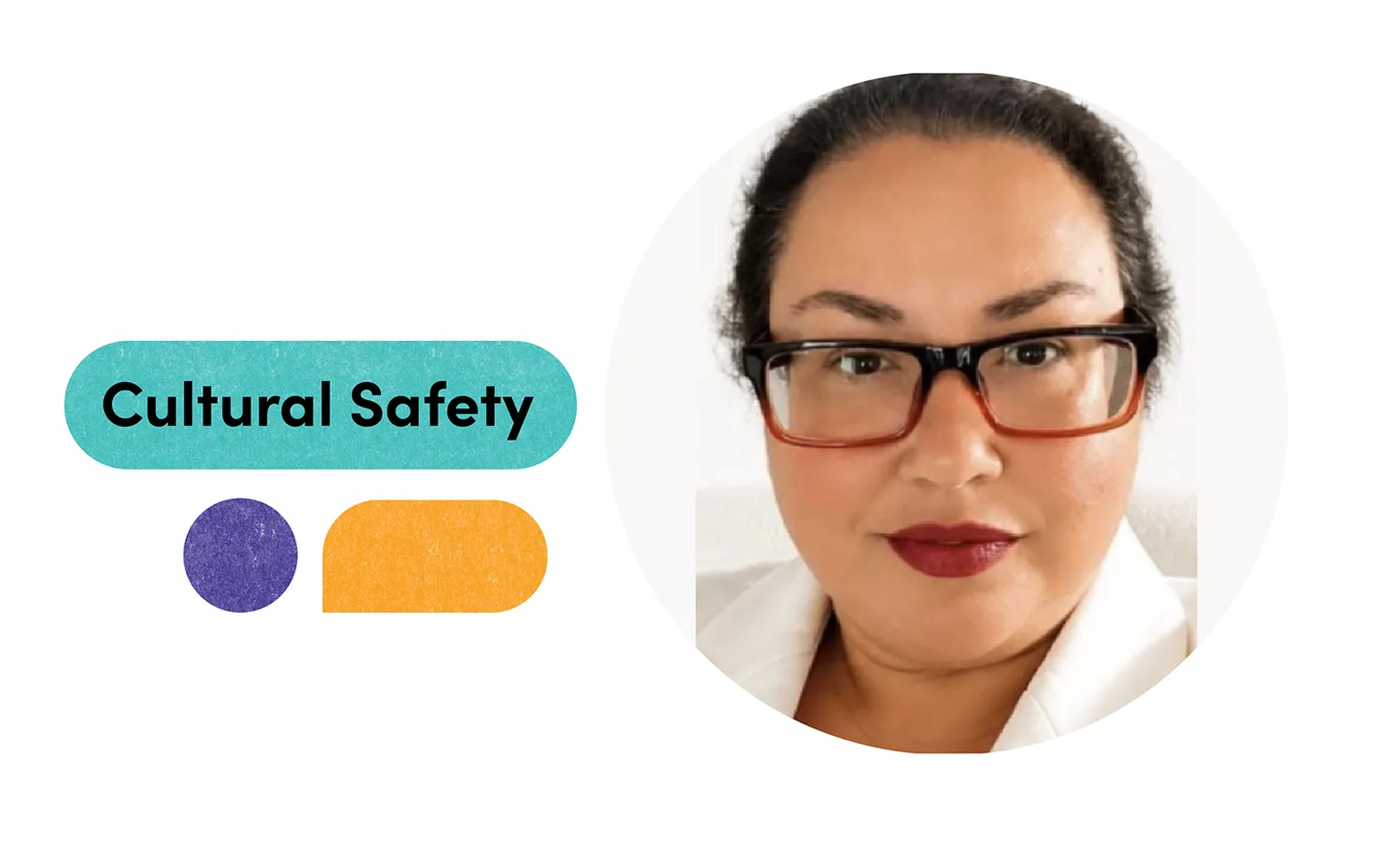
Voices Shaping Safer Care is a blog series featuring reflections and experiences from people across health and social care in Canada. Through stories from patients, caregivers, healthcare providers, leaders and community partners, the series explores the everyday moments, relationships and systems that influence safety.
One discipline, two care experiences
It was a traumatic childhood experience that helped shape Sonia Isaac-Mann’s career in healthcare.
As a little girl, she squirmed in the dental chair and gripped her hand’s aunt in terror. Her dentist, oblivious to how to make her visit more culturally safe – and the fact that Isaac-Mann was about to squirm right out of her seat – leaned in to inject a numbing agent. The needle ended up in her arm. People three floors down could hear her screams and her aunt ended up with a broken finger.
At the time, Isaac-Mann didn’t fully understand the trauma she was carrying. But as a citizen of the Listuguj Mi’gmaq First Nation, she knew her father had endured dental procedures as a test subject while in day school – just one example of how racism and colonial systems have negatively influenced patient safety for First Nations communities.
Years later, while pursuing a specialization at the University of Alberta, Isaac-Mann had a dental care experience that was exactly the opposite of her childhood one. Her practitioner understood the traumatic relationship First Nations people have with dental care, talked with her about her experience, and created a safe and comfortable space for the procedure to happen.
Care that reflects the people it serves
By that time, Isaac-Mann realized something.
“Once I figured out how the [health] system is set up, I realized that I couldn’t go to medical school,” she says. “I needed administration experience. I needed to be able to influence policy change. And I needed to understand how the government works so that I can change those systems and change the policy.”
For Isaac-Mann, her best opportunity to influence how people experience care wasn’t by becoming a doctor or nurse, even though those were the career paths she had been familiar with as a child. That’s why she believes more First Nations youth need to know that different types of healthcare careers are available to them.
“The more control you have over your healthcare services, the better health outcomes you’re going to have."
Now the President and CEO of the Sioux Lookout First Nations Health Authority, Isaac-Mann supports a First Nation-led organization that provides health program and services for its communities and citizens.
First Nations-led models can also reduce the gaps and confusion created by overlapping federal and provincial responsibilities. By giving First Nations greater authority over how services are designed and delivered, they help create care that is more coordinated, responsive and culturally safe.
Cultural safety by design, not by chance
It is impossible to discuss culturally safer healthcare without first recognizing the systemic racism First Nations, Inuit and Métis people have experienced and continue to experience in accessing care. According to Isaac-Mann, naming racism explicitly, rather than as an unfortunate side effect of ‘cultural misunderstanding,’ can help to trigger change in organizations at the policy and standards level.
She cites another BC-based example as a tool that can support organizations to address Indigenous-specific racism and build culturally safe healthcare environments. The British Columbia cultural safety and humility standard was introduced in 2022 by the BC First Nations Health Authority and the Health Standards Organization. The first tool of its kind in Canada, it responds to Recommendation 8 from the 2020 In Plain Sight report that itself was a response to allegations about racism among staff at a Vancouver Island hospital.
The National Cultural Safety and Humility Standard – launched in 2026 – builds on this work and specifies requirements of organizations/institutions, leaders and teams to address racism experienced by First Nations, Inuit and Metis in health systems and improve cultural safety of services.
Isaac-Mann stresses that ultimately, it is the patient who determines whether care is truly culturally safe. That is where feedback from patients – combined with meaningful quality improvement initiatives – can make a difference.
“Even as a First Nations organization, we need to make sure we are incorporating culturally safe practice within the services we have and any new programs we are developing,” she says of the efforts taking place at the Sioux Lookout First Nations Health Authority.
Sharing what’s working
Hearing from patients within a specific health setting is one thing. Creating space for ongoing learning from other health organizations about their own efforts is a bigger undertaking that can fall by the wayside when time and resources are scarce.
But Isaac-Mann believes it’s one of the most valuable ways to continue advancing safer care across the country. She cites her own health authority’s experience with hostel care as a unique initiative that is beneficial to share.
“We provide wraparound services to support people coming to Sioux Lookout from their First Nations community,” she explains. “As soon as they land here, we have medical transportation vans to pick them up and bring them to their hostel accommodation where they can access meals, activities and supports.”
While this program has been the topic of knowledge exchange meetings with some organizations, there is opportunity for broader sharing.
Isaac-Mann says it’s important for leaders to take time to come together and share best practices. “Historically, from a traditional perspective, First Nations would have come together as peoples and shared their knowledge about what’s working and what isn’t,” she says. “Learning from one another has been lost a bit. We’re talking about what a network of support for First Nations health leaders could look like. It’s still very early stages, but at least it’s on the table.”